Drop-In Session or Regular Group? Two Ways to Try an Activity
Drop-in session or regular group? Compare scheduling, familiarity, and participation rules to choose a local activity format that fits your week.

Drop-in session or regular group? The choice can shape whether a local activity fits your calendar—and whether you enjoy returning to the same faces, coach, and routine. A Tuesday basketball run at a community gym may welcome whoever can make it that evening; a neighborhood league practice may expect the same players each week. Neither format is automatically easier. The useful question is what kind of commitment helps you take part.
What is the difference between a drop-in session and a regular group?
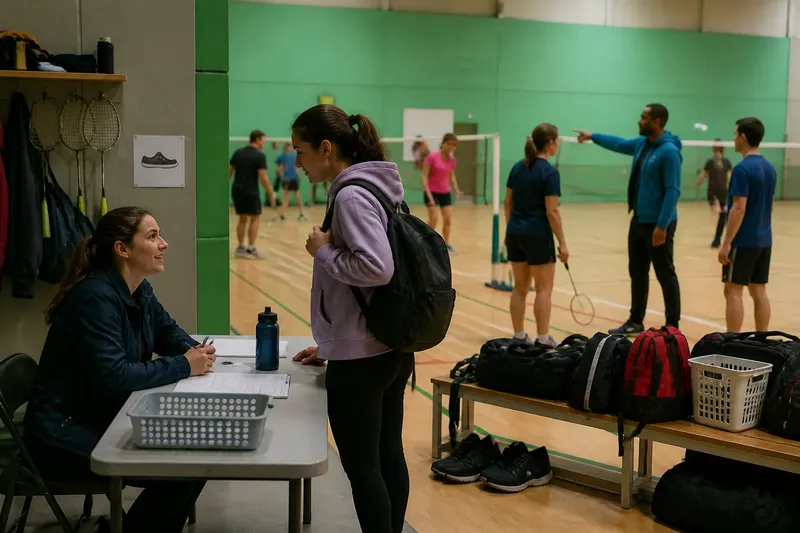
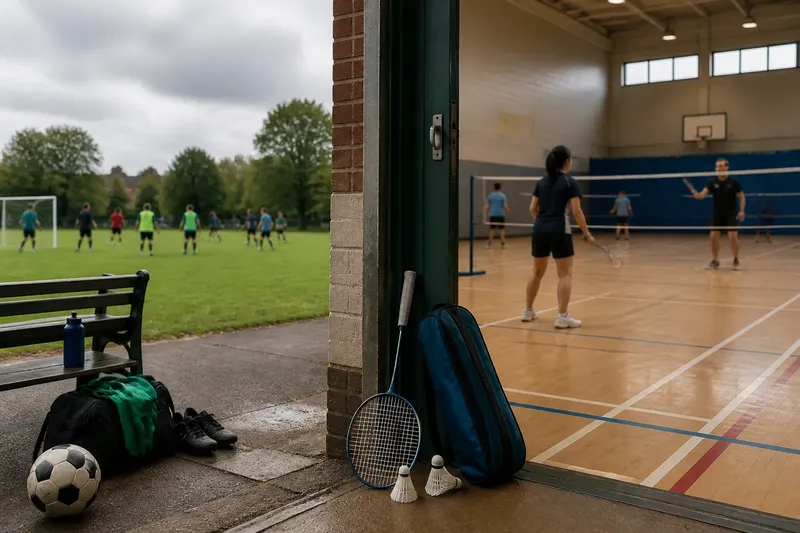
A drop-in session is organized around attendance on a particular day, while a regular group is organized around ongoing participation. At a drop-in badminton session, for instance, players might arrive during a stated window, pay or register as required, and rotate into games. A regular badminton group may meet at the same time each week, build pairings over time, and expect members to let the organizer know when they will be away.
The distinction is about how participation works, not how serious the sport is. A drop-in can be coached, competitive, or carefully structured. A recurring group can be relaxed and social. Look for words such as “casual,” “weekly,” “open play,” “membership,” or “attendance expected,” then check what those terms mean to that organizer.
Some activities sit between the two. A weekly running group might welcome people whenever they can join, while a recreational team might accept occasional absences but need a steady head count for fixtures. Ask how often people are expected to attend and whether missing a session changes anything for the rest of the group.
Which format works better with an unpredictable schedule?
A drop-in usually makes it easier to participate around changing shifts, caregiving, travel, or a crowded school calendar, because each session can be a separate decision. That flexibility is useful only if the session itself is available when you are. Check the day, start time, booking window, cancellation rules, and whether places are limited before relying on it as a spontaneous option.
A regular group asks for a more dependable slot, but recurring plans can also make sport easier to remember. If Thursday evenings are usually free, reserving that time for a weekly swim club or walking group may take less effort than choosing an activity from scratch each week. Ask whether the group has a pause, substitute, or occasional-attendance option if your schedule changes.
Say your work rota changes from week to week and you want to try indoor climbing. A local center lists an open social session on several evenings, while a technique group meets at one fixed time. You could check whether open-session places can be booked after your rota arrives; if they can, that format may match your availability. If the technique group allows you to attend selectively without disrupting paired practice, its continuity may be worth the scheduling effort.
Think about the whole journey, not just the activity time. A session that finishes before the last bus or leaves enough time to collect a child may be more workable than one with a more attractive format on paper. If travel is a concern, ask whether the organizer shares public transport details or whether participants arrange lifts independently.
Will a regular group help me feel more familiar with the activity?
Often, yes: seeing the same coach or participants can make instructions, routines, and group expectations easier to recognize over time. Familiarity can also make it simpler to ask where equipment belongs, how teams are formed, or what to bring next week. But regular attendance does not promise a particular social experience; groups differ in how much conversation or coaching they include.
A drop-in can still provide continuity if the same people attend often or the session follows a stable routine. A community table-tennis night, for example, may have regulars who welcome new arrivals and a familiar rotation system, even though nobody is required to return. Ask whether the session has a host, coach, or clear way to join a game so you can picture how participation works.
Consider what kind of familiarity you want. You may want a steady coach who can explain a skill over several sessions, or you may prefer meeting different partners and keeping each visit self-contained. The first preference points toward a recurring group with ongoing instruction; the second may suit open play. If the listing is vague, a short message to the organizer can clarify whether people tend to return and what changes from session to session.
How do I compare costs, booking, and attendance rules?
Compare the full terms rather than assuming that “drop-in” means pay-as-you-go or that “regular group” means membership. A drop-in may require advance booking, a block of session credits, or a fee at reception. A recurring group may charge per visit, collect dues, or ask members to register for a season. The organizer’s current information is the best place to confirm.
Look for practical details that affect your decision:
- Booking: Can you reserve one session at a time, or must you commit to a series?
- Payment: Is the fee per visit, a membership charge, or part of a larger program?
- Attendance: Is occasional absence fine, or does the group rely on a consistent head count?
- Cancellation: Can you change a booking if work or travel gets in the way?
- Equipment: Is shared gear available, or should you bring your own?
- Session format: Is instruction included, or is the time mainly for independent play?
Where the answer depends on a venue’s policy, organizer, membership terms, or equipment instructions, check those directly before making plans. Rules can differ between sessions held at the same facility, especially when one is run by the venue and another by a volunteer club.
What should I ask before choosing a format?
Can I attend just once before deciding?
Ask whether a single visit is welcome and whether it requires advance registration. Some recurring groups offer an introductory visit, while some drop-ins fill quickly and need a booking. Knowing the arrangement helps you compare the actual first commitment rather than the label.
What happens if I miss a regular session?
Ask whether you can simply return the following week, need to notify someone, or lose a place in a team activity. The answer matters most when attendance affects partners, teams, coaching progress, or a shared booking. A group that treats absences casually may offer more flexibility than its fixed schedule suggests.
Will I receive instruction or join open play?
Ask who leads the session and what participants normally do after arriving. A coached class may work through a shared plan, while open play may leave game choice and pairing to participants. Either can suit a newcomer, but it helps to know what kind of support or independence to expect.
How do people join in when they arrive?
Ask whether there is a sign-in point, a host to speak with, or a rotation system for games and activities. These details tell you how newcomers enter the session without making assumptions about the group’s social style. They also help you judge whether the format feels manageable for you.
Can I start with one format and switch later?
Usually, you can change your approach as your schedule or preferences become clearer, but check any booking or membership terms first. Trying a drop-in can help you learn whether you enjoy the sport before arranging a recurring commitment. Starting with a regular group can make sense if you already know you want coaching, a team routine, or a familiar weekly slot.
Keep the decision small where possible. Instead of judging a whole activity by its name, compare one specific session in each format: its timing, location, cost arrangement, instruction, and attendance expectations. If only one option is practical this month, that is a useful starting point rather than a permanent choice.
Choose the format that makes returning realistic. A drop-in session offers room to fit sport around an unsettled week; a regular group offers a repeating place in your calendar and the chance to build familiarity. When comparing a drop-in session or regular group, look beyond the label to the actual rules and rhythm. A format that suits your life is the one you can approach without turning every visit into a fresh logistical puzzle.