From Park Pitch to Shared Facility: Why Local Sport Uses Different Spaces
Local sport shared spaces range from park pitches to school gyms. Learn how a venue’s purpose and shared use can help you choose where to play.
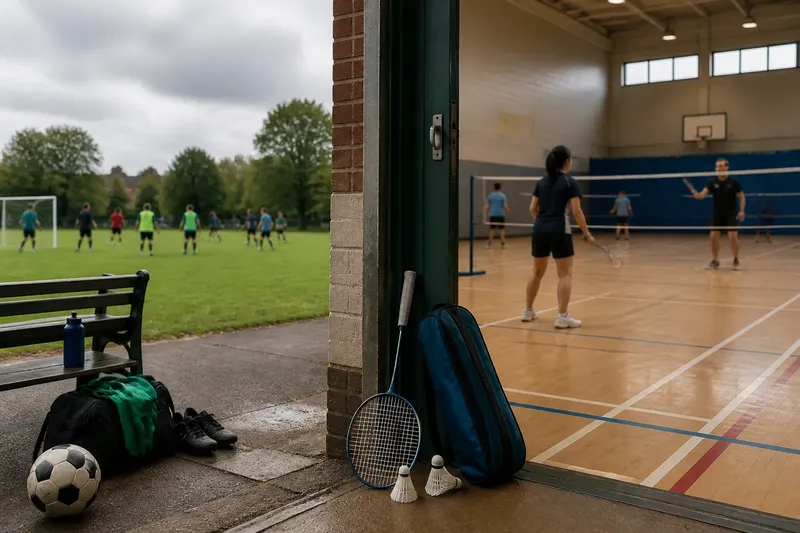
A park pitch may host a weekend soccer game, while the nearby school gym fills with badminton nets after class. Local sport shared spaces are not interchangeable: a place’s original purpose, equipment, schedule, and other users shape what can happen there. If you are choosing where to play, start with the setting that fits your activity and the way you want to take part.
What makes a space fit a sport?
Some sports need a marked surface, fixed equipment, or room to move without interruption. Others can adapt to a patch of grass, a paved court, or an open hall. The first question is not simply whether a place looks sporty. It is whether its layout and shared rules support the activity you have in mind.
A park’s open field may suit soccer, ultimate frisbee, or casual running because it leaves room for movement and can serve several groups at different times. A basketball court has a more specific layout and equipment, so it is a natural fit for shooting practice or a pickup game, but less useful for activities that need a large, unobstructed area.
Indoor spaces offer a different kind of flexibility. A community center hall might host table tennis, dance, or a martial arts class, depending on its floor, storage, and booking schedule. A swimming pool is built around one central activity, yet lane times, lessons, and public sessions can make access quite different from an open park.
Which setting fits your situation?
- You want room for an adaptable activity: Try a park field or open green. These spaces can suit casual soccer, running groups, or throwing games, provided the area is available and the activity does not conflict with other users.
- Your sport depends on fixed markings or equipment: Look for a dedicated court or facility. A tennis court, skate park, or basketball court is designed around a particular use, which can make play more straightforward than improvising on a general field.
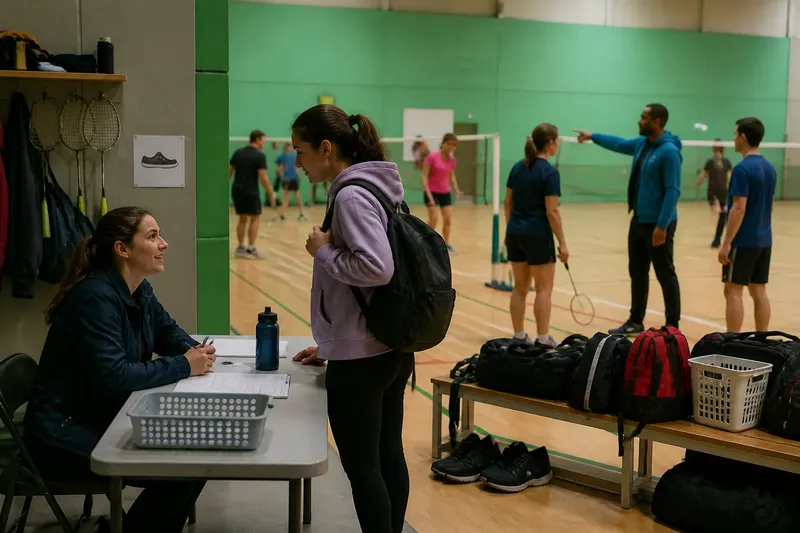
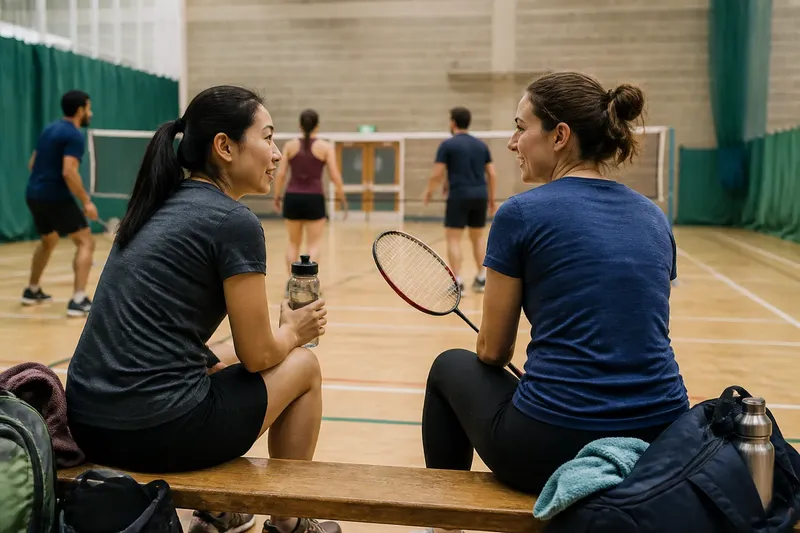
- You need shelter or a consistent indoor surface: A school gym, recreation center, or indoor court may fit. These venues can make activities such as badminton or indoor volleyball possible when an outdoor surface would not work.
- You want a coached or organized session: Check the venue used by a local club or community program. A sports hall or pool may be reserved for scheduled activities, with equipment and supervision arranged for that session.
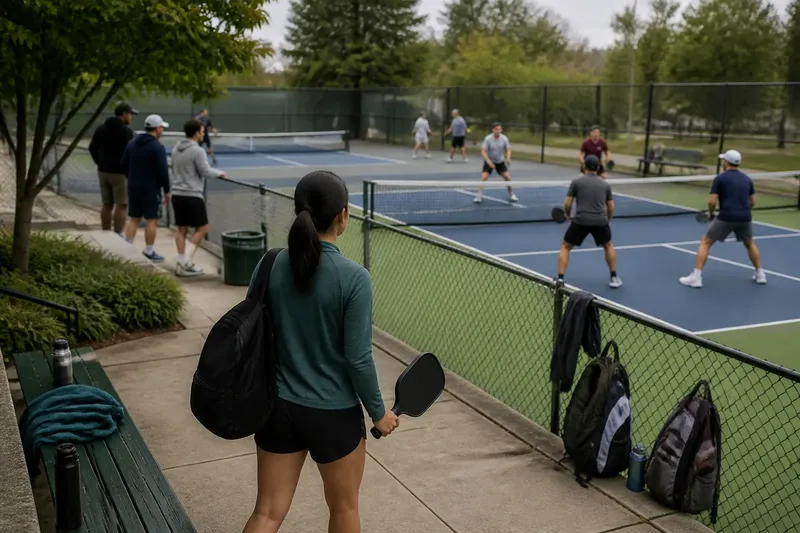
- You prefer to join a casual activity without a formal venue: A public court or shared field may be enough. Look for posted use rules and signs of how different groups coordinate, rather than assuming the space is reserved for one sport.
Imagine you want to try badminton but have no gear and are unsure about joining a club. A community center listing a beginner session in its gym may fit better than a park court: the indoor surface supports the game, and the session may provide access to nets or loan equipment. The useful next move is to ask the organizer what to bring and whether the session welcomes newcomers.
How does shared use change what you can do?
A shared space has more than one audience. A park path may belong to walkers, runners, cyclists, and people moving between other areas. A field can be booked for a team practice one evening and remain open for casual use at another time. That overlap affects where an activity can happen, how much room is available, and whether you need to reserve a spot.
Look for practical signs: booking boards, posted schedules, court markings, storage areas, or notices about permitted activities. These clues can tell you whether a space is open for general use, managed by a facility, or set aside for a particular group. If the rules are unclear, contact the site or organizer before bringing a group or equipment.
Sharing also explains why a venue may suit one version of a sport but not another. A schoolyard basketball hoop may be fine for individual shooting when the yard is open, while a full game could require more space and permission to use the court. A community hall might accommodate movement classes but not a ball game that needs a high ceiling or a resilient floor.
What should you check before choosing a venue?
Use a few concrete questions to match the venue to the way you plan to play:
- Is the activity allowed? Check posted signs or the facility’s booking information.
- Is the surface appropriate? Grass, asphalt, wood, and synthetic flooring affect movement and the equipment a sport can use.
- What equipment is available? A venue may have goals, nets, hoops, or none of these.
- How is access arranged? Find out whether the space is open, booked, or available only during a program.
- Who else uses the area? Consider whether your activity needs room that overlaps with paths, play areas, or another group’s session.
- Are there practical facilities you need? Check for changing areas, drinking water, accessible entrances, or storage if these affect your decision.
Venue rules and equipment details can vary, so follow posted information and the facility’s instructions. If a sport involves specialized gear or a coached session, ask the organizer what the space provides and what participants should bring.
What do people ask about local sports spaces?
Can I use a park field for any sport?
Not necessarily. Parks may set rules for particular areas, and scheduled games can limit casual access. Check signs or the local parks department’s information before organizing play.
Is a sports club the only way to use a shared facility?
No. Some facilities offer public sessions, open court times, or community programs alongside club bookings. Ask the venue about available options and whether you need to register in advance.
What if the nearest venue lacks the right equipment?
Ask whether equipment can be borrowed or whether a nearby recreation center has a suitable space. If neither is available, consider a version of the activity that fits the existing surface and equipment.
How can I tell if a space is beginner-friendly?
The venue alone may not answer that; the session format matters too. Look for a listing that describes the activity as introductory or ask the organizer how newcomers are included.
Choose the place that supports the way you want to play
The best local sport shared spaces are the ones whose purpose, access, and shared-use expectations line up with your activity. A park can be ideal for flexible, informal play; a marked court can make a specific game easier to arrange; and a community facility can offer equipment or a scheduled session. Compare those features with what you need, then confirm access before you go. That small bit of venue checking helps you arrive at a space ready to take part, rather than discover that the court, field, or room is being used another way.