The Newcomer Myth: You Do Not Need to Know Everyone to Join In
Joining a local sports group without knowing anyone is easier when you learn its participation rhythm, choose a comfortable role, and take one manageable turn.
Joining a local sports group without knowing anyone can feel like stepping onto a court where everyone else knows the rules. But you do not have to arrive with a ready-made friend group. Start by noticing how the activity works, then choose one manageable way to take part.
What does joining in actually involve?
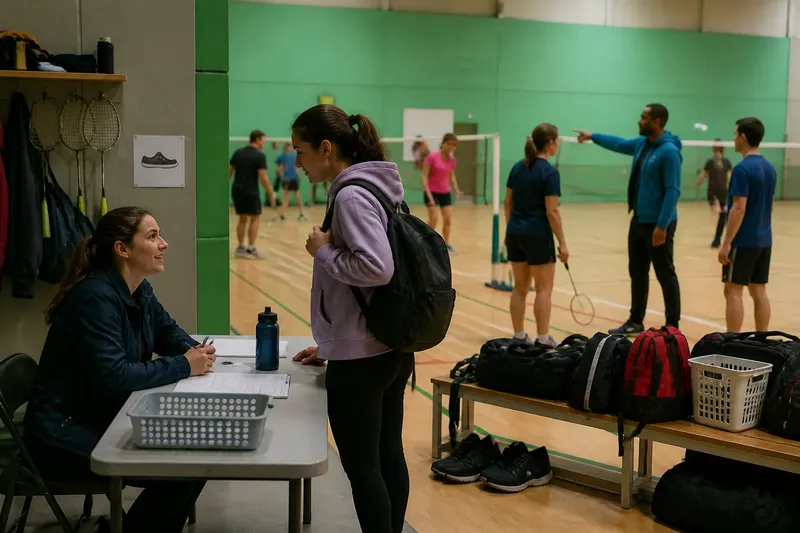
Some groups are organized around a coach, class schedule, or registration process. Others gather informally at a park or recreation center, where participants sort out teams and turns as they go. The first useful distinction is whether the activity has a clear organizer or runs on a shared routine.
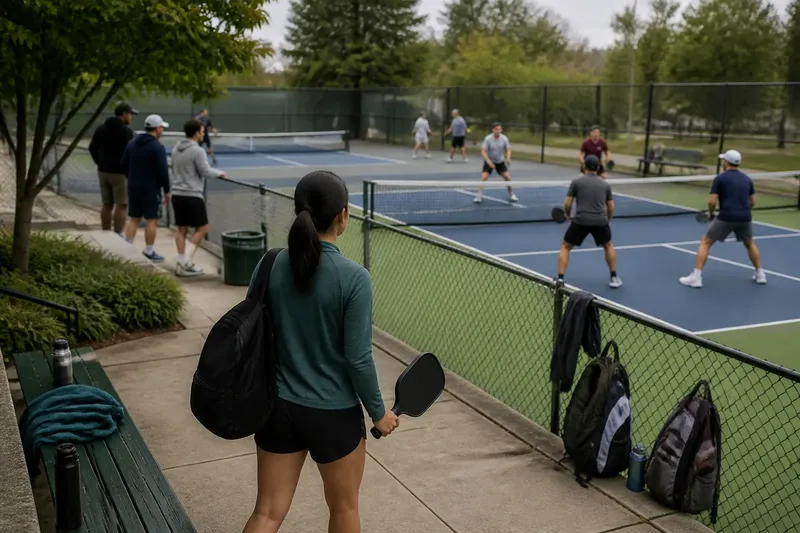
At a coached class, the instructor’s directions set the pace. In a casual pickleball session, players may take turns on an open court. A walking group may have a planned route and a set starting point. Each format offers a different way to participate; none requires you to perform instant sociability.
Watch for the group’s visible cues: where people wait, how equipment is shared, and whether newcomers are directed to a particular activity. If the process is unclear, asking the person coordinating is more useful than trying to decode every interaction at once.
How can you find your place without making small talk the main event?
Let the activity carry the first interaction. You might help return a shared ball after a game, follow the instructor’s warmup, or wait where others queue for a turn. These actions connect you to the group’s rhythm without requiring a long conversation.
Look for a role that matches the setting and your comfort. In a group walk, you could start near the back and follow the route. At a community soccer practice, you could join the drill the coach assigns. If equipment or space is shared, ask before moving someone else’s belongings or changing the setup.
Not every group has an obvious opening. If people are already playing, wait for a pause rather than interrupting an active point or instruction. A brief question such as “How do players rotate in?” can clarify the next action; once you know, you can focus on participating.
What should you check before choosing a group?
A friendly atmosphere matters, but so do practical details. Before committing to a club or informal group, check how participation works and whether the arrangement fits your needs. Use the organizer, club page, recreation center, or posted session information as the source for details that may change.
- Session format: If the activity is coached and you want instruction, then consider the class; if it is open play, ask how newcomers join the rotation.
- Skill expectations: If the session lists a level that suits you, then try it; if the description is vague, ask the organizer what participants are expected to know.
- Equipment: If shared gear is available, then confirm what you may borrow; if participants bring their own, ask what is needed before arriving.
- Access and location: If the entrance, route, or facility works for you, then keep the session in consideration; if an access detail is unclear, contact staff or the organizer before deciding.
- Participation rules: If the group explains turn-taking and conduct clearly, then you can judge whether the format feels comfortable; if rules are missing, ask who can clarify them.
- Cost or registration: If the session’s terms are clear and acceptable to you, then decide whether to sign up; if they are not stated, ask the provider rather than assuming.
- Communication channel: If event details are posted in a club email or recreation-center page, then use that source for updates; if only an informal chat is available, decide whether you are comfortable using it.
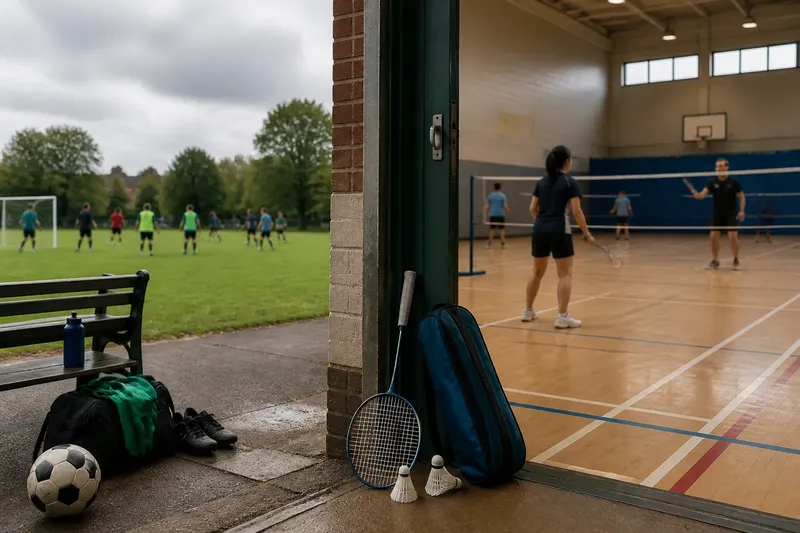
Imagine Casey wants to try a neighborhood badminton group and has a racket but is unsure about the format. Casey sees that the listing calls the session open play, but says nothing about shuttlecocks or rotation. Casey asks the organizer whether players share shuttles and how newcomers enter a game. The organizer replies that players bring rackets, shared shuttles are provided, and people waiting take the next open court. Casey now has a concrete choice: bring the racket and try the session, or look for a coached class if instruction is the bigger priority.
What questions do newcomers often ask?
How do you join an informal sports group?
Find the person coordinating or observe how turns are organized, then ask what action comes next. If the group has no clear organizer, wait for a natural pause and check with a participant who is not in the middle of play.
Is it fine to take part without knowing the rules?
That depends on the activity and the group’s expectations. Tell the instructor or organizer what you do not know and ask for the basic directions before joining a drill or game.
What if the group’s style does not suit me?
You can leave or look for a different format without treating that choice as a personal failure. A coached class, a casual drop-in, and a club team can offer very different experiences.
How can you take part if you prefer not to talk much?
Follow instructions, observe the rotation, and communicate when a practical detail needs clarifying. You can be a considerate participant without making conversation the measure of whether you belong.
How do you tell whether a group is a good fit?
Notice how the group handles ordinary participation: are directions understandable, are turns managed fairly, and can you ask a practical question without being pressured to share personal information? These observations help you assess the setting without expecting every person to be immediately available or outgoing.
Also consider what you want from the activity. If you hope to learn a skill, a session with instruction may suit you better than open play. If you mainly want movement and a flexible schedule, a drop-in group may be worth considering. For questions about physical readiness, access needs, or a health concern, ask a qualified professional or the relevant facility staff for guidance that fits your circumstances.
Joining a local sports group without knowing anyone does not depend on becoming the most talkative person in the room. Find out how the activity runs, choose a role that feels manageable, and let participation—not perfect introductions—show you whether the group is right for you.