Your First Sports Session, Planned Around Three Questions
Plan your first sports session by confirming the venue, session format and essential gear, so you can prepare without buying equipment you may not need.
Before you pack for your first sports session, check whether the group supplies equipment or expects you to bring your own. That answer can spare you an unnecessary purchase—and help you avoid arriving without an item the activity requires.
For a first sports session, focus your preparation on the gear that affects participation, comfort and safety. The organizer’s instructions, the activity and the venue rules matter more than a generic packing list.
What equipment does the group actually provide?
Start with the session announcement or the group’s equipment page. Look for clear wording about shared gear, loan items and personal requirements. “Equipment provided” might refer to balls or racquets, not shoes or protective gear.
If the wording is vague, ask about the specific item you are unsure of: “Will there be a racquet I can borrow, or should I bring my own?” A direct question makes it easier to pack only what you need.
Sort the answers into three practical groups:
- Required: Check whether the organizer names an item as necessary; if so, bring it or confirm an acceptable substitute before attending.
- Available to borrow: Check which shared items newcomers may use; if borrowing is confirmed, leave that item at home, but bring it if the group says none will be available.
- Optional: Check whether an item is merely suggested; if it is optional and you do not own it, attend without buying it, but ask if its absence could limit participation.
- Personal basics: Check whether the session calls for water or an extra layer; if conditions or instructions point to a need, pack it, but leave extras behind when they are not useful.
- Venue-specific gear: Check the facility’s rules for footwear or protective items; if a restriction applies, use compliant gear or ask the organizer about another option.
- Unclear safety item: Check the organizer’s instructions and the item’s manufacturer guidance; if suitability remains uncertain, ask before taking part rather than guessing.
Do not assume that a familiar item is suitable for every surface or activity. A gym, court or field may have rules about shoes, protective equipment or personal belongings. Follow the facility and organizer’s directions; for a safety question that needs expert judgment, consult a qualified professional.
How should you choose clothes and footwear?
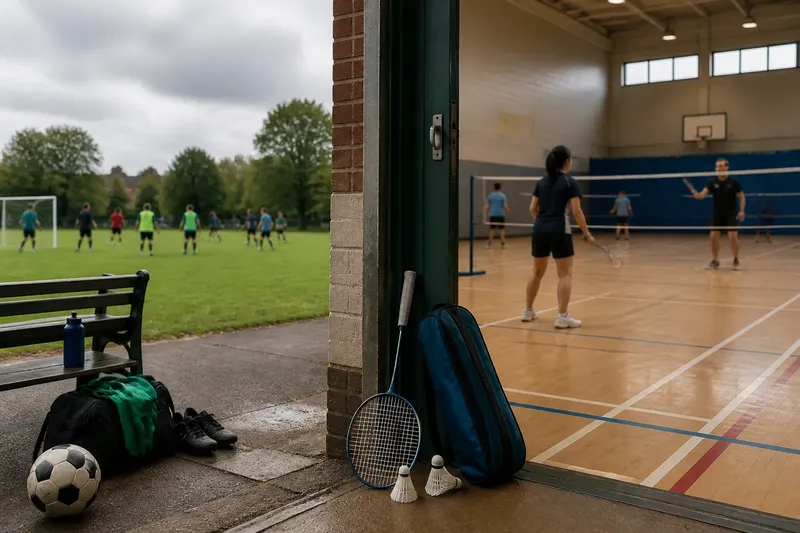
Match clothing to the activity and setting, not to what participants happen to wear in promotional photos. A session on a damp park path calls for different layers from indoor practice in a sports hall. Choose clothes that let you move comfortably, and check whether the venue has rules about footwear.
Ask whether the activity takes place indoors or outdoors and what surface participants will use. If you already own suitable shoes, inspect them for fit and condition. If you are considering buying specialized footwear for a single tryout, first ask whether ordinary athletic shoes are acceptable; the group may have a clear answer.
Bring a light layer if the organizer says the session is outdoors and the weather may change. A water bottle is a useful personal basic for many active sessions, but follow any venue or group instructions about where to keep it.
What should you ask before spending money?
For an introductory session, avoid treating every suggested item as a purchase requirement. Ask whether shared equipment is available, whether an item is essential on the first visit, and whether there is an acceptable alternative.
Check these details before buying or borrowing gear:
- If the group provides shared equipment, ask whether newcomers may use it; if yes, wait to buy your own, but if no, ask what item is required.
- If the announcement names a specific kind of footwear, check the venue rule; if your shoes meet it, use them, but if they do not, ask about an approved alternative.
- If protective gear is listed as required, check whether the organizer has loan items; if available, confirm how to borrow one, but if not, arrange suitable gear before joining.
- If an item is described as optional, check whether it changes how you can participate; if not, skip it for now, but if it matters for a particular drill, ask whether you can sit that part out.
- If the equipment list conflicts with the facility’s instructions, check with the organizer; if they clarify the rule, follow it, but if the conflict remains unresolved, do not rely on a guess.
- If you are unsure whether an item fits or is suitable, check its label and manufacturer guidance; if the answer is still unclear, ask the organizer or a qualified professional before using it.
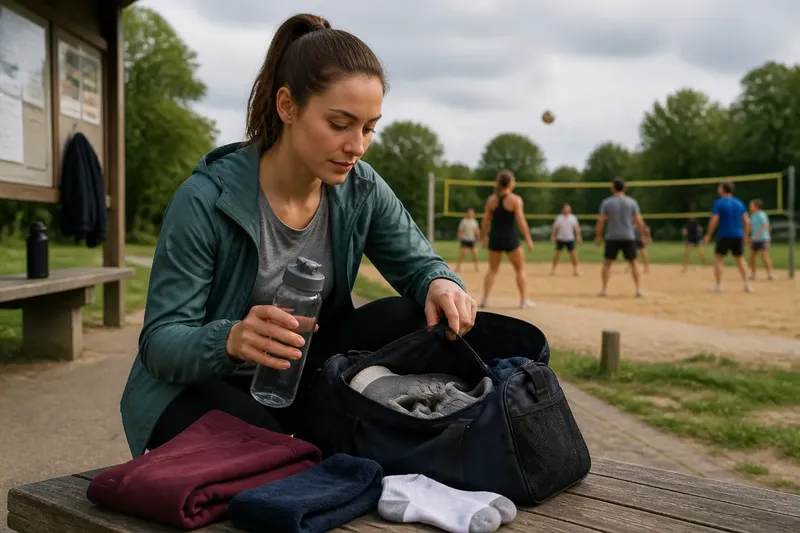
Say you are considering an outdoor volleyball session. The message says to bring water but does not mention a ball or shoes. You ask the organizer whether shared balls are available and whether ordinary athletic shoes are allowed on the court. The organizer confirms that balls are supplied and the venue permits athletic shoes; you pack water and your existing shoes, leave the ball at home, and avoid buying specialized gear before you know whether you want to continue.
How can you pack for a first sports session?
Use the group’s confirmed requirements as the core of your bag, then add only personal basics that fit the setting. Keep small items together so they are easy to find, and leave valuables or unnecessary equipment at home when the venue offers no secure place to store them.
- Read the latest equipment instructions and note anything explicitly required.
- Confirm which shared items are available to newcomers and which are not.
- Check the venue’s footwear or protective-gear rules.
- Choose comfortable clothing suited to the indoor or outdoor setting.
- Pack the required items, plus useful personal basics such as water if appropriate.
- Leave uncertain or optional purchases out of the bag until the organizer clarifies their value.
For your first sports session, preparation is less about carrying more and more about resolving the few equipment questions that could affect participation. Keep the organizer’s answer handy and check for changes before another visit: shared gear, surface rules and session needs can vary from one activity to the next.
What should you clarify about equipment before you go?
Can I borrow equipment at a first sports session?
Ask whether the group has shared gear and whether it is available to newcomers. Confirm the particular item you need, since an organizer may provide balls but not racquets or protective equipment.
What should I wear to a first sports session?
Choose comfortable clothing suited to the activity and indoor or outdoor conditions. Check the venue’s footwear rules before assuming shoes you already own are acceptable.
Should I buy equipment before trying a sport?
Ask which items are required for the introductory session and which are optional or available to borrow. If a required item is not available, confirm an acceptable alternative before attending.
What if equipment instructions are unclear?
Ask the organizer about the specific item and check any relevant facility or manufacturer directions. If a safety question remains unresolved, wait for qualified guidance rather than using equipment on a guess.